Unlocking Creativity: The Design Power of Colorful Toy Bricks of Letter J Cartoon
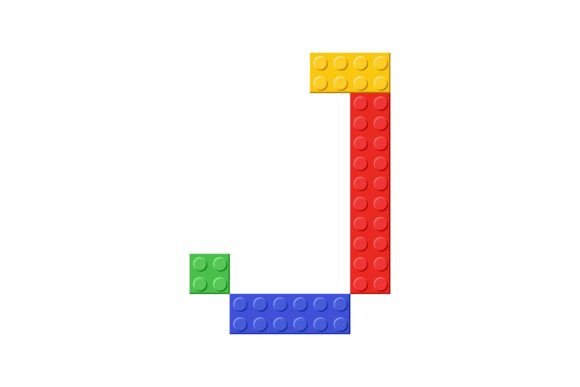
In the rapidly evolving landscape of visual communication, the intersection of nostalgia and modern design has created a unique niche for playful typography. Among the most engaging elements in this space is the Colorful Toy Bricks of Letter J Cartoon. This specific graphic asset represents more than just a letter of the alphabet; it embodies a shift toward approachable, tactile, and emotionally resonant design strategies that appeal to audiences across all age groups. For educators, marketers, content creators, and business owners, understanding the utility and aesthetic value of such illustrations is becoming increasingly vital in a digital world often saturated with sterile, corporate minimalism.
The concept of using building blocks to form letters taps into a universal childhood experience. Everyone recognizes the texture, the interlocking mechanism, and the vibrant primary colors associated with construction toys. When these elements are synthesized into a Colorful toy bricks of letter J cartoon illustration, the result is a versatile visual tool. It serves as a bridge between the physical world of play and the digital realm of graphic design. Whether utilized in a rainbow letter from blocks for children poster, integrated into educational games, or featured on a promotional banner, this imagery carries an immediate psychological weight: it signals fun, creativity, and the potential for building something new.
The Evolution of Playful Typography in Modern Design
Typography has long been the backbone of brand identity and communication. However, recent years have seen a marked departure from rigid, sans-serif fonts toward more organic and character-driven typefaces. The rise of the ABC typography and font concept rooted in toy aesthetics is not accidental. It reflects a broader cultural desire for authenticity and warmth. As digital interfaces become more prevalent, designers are seeking ways to humanize technology. A letter constructed from colorful blocks offers a tangible quality that flat vector graphics often lack.
This trend is particularly relevant when considering the target demographic for many modern products. While the immediate association might be with early childhood education, the appeal extends far beyond the nursery. Adults aged 20 to 50, who grew up with these toys, experience a potent sense of nostalgia when encountering them. For entrepreneurs and marketers, leveraging this sentiment can create an instant emotional connection. A Colorful Toy Bricks of Letter J Cartoon used in a startup's logo or a freelancer's portfolio suggests innovation and a "building block" approach to problem-solving. It implies that complex ideas are constructed piece by piece, a narrative that resonates deeply with professionals in tech, education, and creative industries.
Furthermore, the evolution of this style mirrors changes in user expectations. Modern consumers are bombarded with high-polish, perfect imagery. In response, there is a growing appreciation for designs that feel handmade, imperfect, and inviting. The block-letter aesthetic fits this criterion perfectly. The slight variations in color saturation and the visible seams between the "bricks" add a layer of texture that keeps the viewer engaged. This is why we see these illustrations popping up in diverse contexts, from games designed to teach coding to adults, to banners for community workshops focused on collaboration.
Practical Applications for Educators and Content Creators
For educators and parents, the practical implications of using block-based字母 illustrations are profound. Early literacy development relies heavily on visual association and tactile learning. A Colorful toy bricks of letter J cartoon provides a concrete representation of an abstract symbol. When a child sees the letter "J" constructed from familiar objects, the cognitive load is reduced, making the learning process more intuitive and enjoyable.
- Classroom Decor: Teachers can use these illustrations to create vibrant wall displays that turn the classroom environment into an immersive learning space. A series of block letters can spell out motivational words or key vocabulary.
- Digital Learning Materials: In the era of remote learning, engaging visuals are crucial for maintaining attention. Incorporating these graphics into slides, worksheets, and interactive apps can significantly boost student engagement.
- Homeschooling Resources: Parents creating custom curriculum materials can use these assets to compose word exercises that feel like play rather than work.
Beyond education, content creators and bloggers find immense value in these graphics. In a crowded social media feed, a post featuring a bright, three-dimensional block letter stands out against the sea of standard stock photography. It stops the scroll. For a blogger writing about creativity, innovation, or parenting, using a Colorful toy bricks of letter J cartoon illustration as a header image instantly sets a tone of optimism and hands-on activity. It signals to the reader that the content will be accessible and actionable.
Strategic Branding and Market Preferences
From a business perspective, the adoption of playful typography aligns with shifting market preferences toward brands that demonstrate personality and approachability. Startups in the ed-tech sector, toy manufacturers, and even financial services targeting young families are increasingly adopting this aesthetic. The logic is sound: if a brand looks like it understands the joy of creation, customers are more likely to trust it with their children's education or their own creative projects.
Consider the versatility of the rainbow letter from blocks concept. It allows for infinite customization. A company can match the colors of the blocks to their brand palette while retaining the recognizable texture of the toy medium. This creates a unique brand asset that is both distinctive and universally understood. For example, a marketing agency might use a block-letter "J" in their pitch deck to represent "Joint ventures" or "Joyful results," subtly reinforcing their collaborative philosophy.
Moreover, the global nature of this visual language cannot be overstated. Toys are a universal experience. Unlike text-heavy slogans that require translation, a Colorful Toy Bricks of Letter J Cartoon communicates its message instantly across cultural boundaries. This makes it an excellent choice for businesses looking to expand their reach internationally without losing the core essence of their visual identity.
Integrating Block Aesthetics into Digital Workflows
Implementing these design elements into modern workflows requires a balance of creativity and technical precision. Designers today have access to a plethora of tools that allow for the creation of high-fidelity block illustrations. However, the key lies in avoiding the "uncanny valley" of digital art—where images look too perfect and lose their charm.
- Maintain Texture: Ensure that the digital rendering retains the subtle imperfections of plastic, such as slight scuffs or varied lighting, to preserve the tactile feel.
- Color Theory: Use a rainbow palette strategically. While bright colors are engaging, they should be balanced to ensure readability, especially when used in body text or small icons.
- Scalability: Verify that the ABC typography holds up at different sizes. A block letter that looks great on a poster must remain recognizable when shrunk down for a mobile app icon.
Freelancers and hobbyists can also leverage these assets to enhance their portfolios. Showing an ability to work with playful, complex illustrations demonstrates a range of skills, from 3D modeling to color grading. It shows potential clients that the creator is adaptable and attuned to current design trends.
The Future of Interactive and Educational Media
Looking ahead, the role of illustrations like the Colorful toy bricks of letter J cartoon is poised to expand further, particularly in interactive media. As augmented reality (AR) and virtual reality (VR) technologies become more mainstream, the demand for 3D-ready, recognizable assets will surge. Imagine an AR app where users can point their camera at a flat surface and watch a block letter "J" assemble itself in real-time. This level of interactivity transforms passive viewing into an active experience.
This evolution supports the growing emphasis on gamification in learning and marketing. By treating letters as buildable objects, we encourage users to interact with content rather than just consume it. For game developers, this means creating environments where players can compose word puzzles using virtual blocks, enhancing both literacy and spatial reasoning skills. For marketers, it opens doors to interactive ad campaigns where users can build their own messages using branded block elements.
In conclusion, the Colorful Toy Bricks of Letter J Cartoon is far more than a simple graphic. It is a multifaceted design tool that bridges generations, industries, and mediums. Its relevance stems from its ability to evoke nostalgia while serving practical functions in education, branding, and digital interaction. As we move forward in a digital-first world, the elements that remind us of the physical joy of building and creating will only become more valuable. Whether you are an educator crafting the next generation of learners, a marketer seeking to connect with a weary audience, or a designer looking for fresh inspiration, embracing the playful potential of block typography offers a path to more engaging and effective communication.